Sleep Is Your Best Balance Training
By: Brian Vergilis, PT, DPT
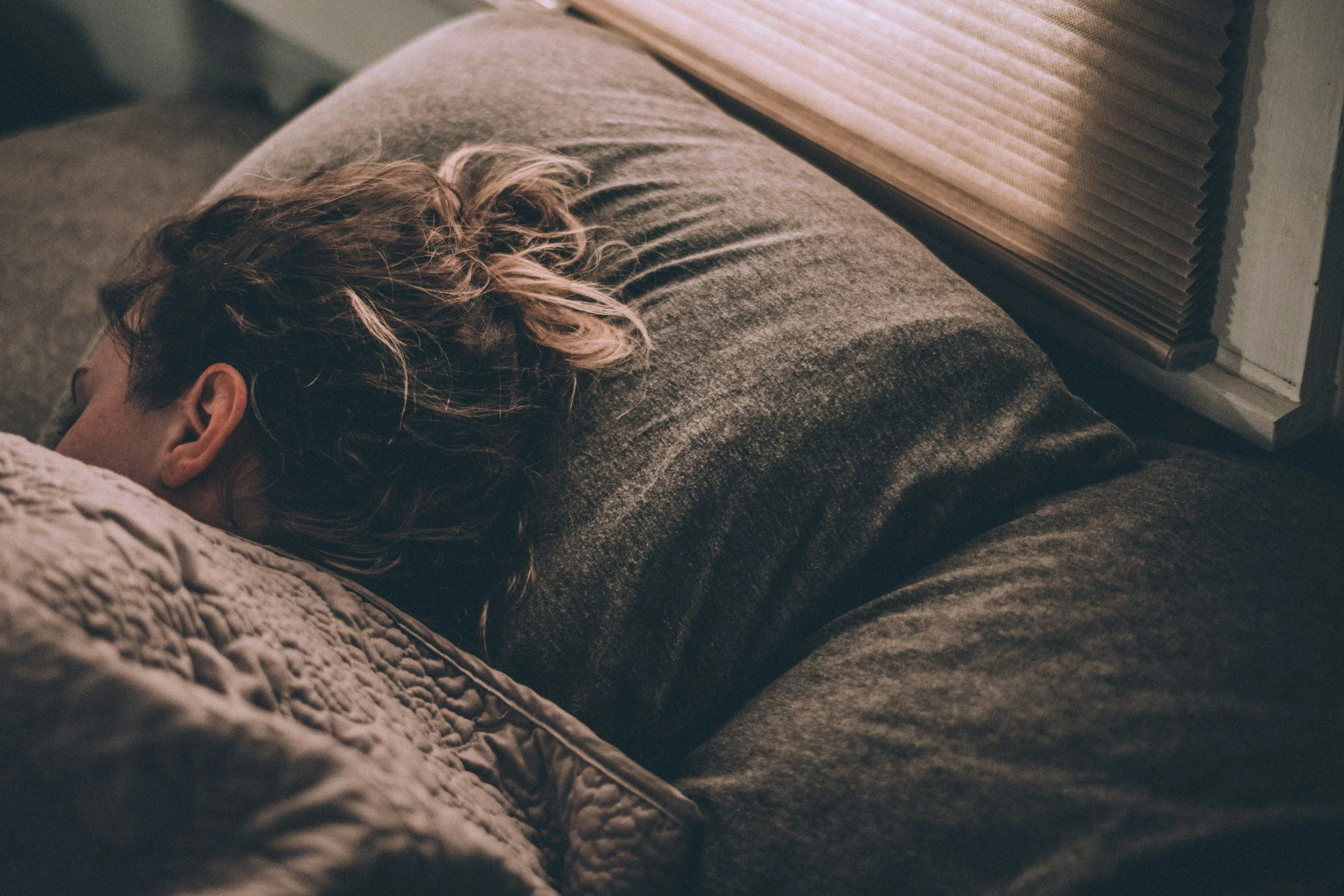
You already know sleep is important, but you may not know it's one of the most powerful tools for improving balance, athletic performance, and recovery. It can impact how well you operate throughout the day and how well you move throughout your life. The decisions you make and the precise movements you perform every day are determined by electrical signals in your brain
that work best when you’ve had a great night of sleep..
Nervous System Overview
Your nervous system allows you to interact with the world around you. It consists of three different major parts:
The central nervous system (CNS) consists of the brain and spinal cord and serves as the body's primary control center for processing environmental information, generating precise movements, and coordinating higher cognitive functions like decision making.
The peripheral nervous system (PNS) encompasses all nerve structures outside the brain and spinal cord. It functions as the communication network between the CNS and the rest of the body by transmitting environmental information to the CNS and carrying motor commands from the CNS to muscles.
The autonomic nervous system (ANS) is a division of the PNS that controls involuntary bodily functions that are vital to living including heart rate, digestion, respiratory rate, pupillary response, and hormone secretions. It operates subconsciously and consists of three subdivisions: the sympathetic system (activates "fight or flight" responses), the parasympathetic system (promotes "rest and digest" functions), and the enteric system (controls gastrointestinal function). The ANS maintains homeostasis by continuously adjusting organ function in response to the surrounding environment.1
Why We Sleep
After a busy day, your nervous system needs to recharge and recalibrate to prepare for the next day. Think of your nervous system like a battery. It only has so much capacity. Most daily activities drain the battery. Food and light exercise can recharge the battery a bit, but sleep has the most powerful recharging effect. Consistent intense aerobic exercise can increase the capacity of the battery.
When your nervous system battery is full, maintaining good posture and balance throughout the day becomes easier, your mood and confidence will be enhanced and your muscular endurance will be optimal so you can have the energy to push through the second half of a championship game, the last 5 miles of the marathon, or the final 2 reps of a maximum effort leg press set at the gym.2,3
Sleep also enhances your internal defense system and protects you against the adverse effects of stress. This helps with reducing the risk of chronic conditions such as heart disease, diabetes, and depression.4
Suggestions for Improving Sleep Hygiene:
1. Sleep in a dark and cool sleeping environment
2. Plan your caffeine intake. Before 2pm is best.
3. Find healthy activities and routines that are relaxing for you before bed: light stretching, warm showers, light reading of books, and snuggling up with loved ones are great options for reducing stress.
Experiencing symptoms of sleep deprivation such as poor mood and low energy despite sleeping for 7-9 hours every night?
Reach out to your primary care provider to keep your healthcare team in the loop. There are many ways to address difficulties with sleeping!
References:
1. National Institute of Neurological Disorders and Stroke. Brain basics: Understanding sleep. National Institute of Neurological Disorders and Stroke. Published September 5, 2024.
https://www.ninds.nih.gov/health-information/public-education/brain-basics/brain-basics understanding-sleep
2. Robillard R, Prince F, Filipini D, Carrier J. Aging Worsens the Effects of Sleep Deprivation on Postural Control. Dickson CT, ed. PLoS ONE. 2011;6(12):e28731. doi:https://doi.org/10.1371/journal.pone.0028731
3. Xu L, Peng L, An X, et al. Sleep deprivation disrupts postural balance and sensorimotor integration: A combined psychophysiological–behavioral analysis. NeuroImage. 2025;325(41421498):121667. doi:https://doi.org/10.1016/j.neuroimage.2025.121667
4. Charest J, Grandner MA. Sleep and Athletic Performance: Impacts on Physical Performance, Mental Performance, Injury Risk and Recovery, and Mental Health. Sleep Medicine Clinics. 2020;15(1):41-57. doi:https://doi.org/10.1016/j.jsmc.2019.11.005
5. Nédélec M, Halson S, Delecroix B, Abaidia AE, Ahmaidi S, Dupont G. Sleep Hygiene and Recovery Strategies in Elite Soccer Players. Sports Medicine.
2015;45(11):1547-1559. doi:https://doi.org/10.1007/s40279-015-0377-9 6. Lo Martire V, Caruso D, Palagini L, Zoccoli G, Bastianini S. Stress & sleep: A relationship lasting a lifetime. Neuroscience & Biobehavioral Reviews.
2020;117(1):65-77. doi:https://doi.org/10.1016/j.neubiorev.2019.08.024
7. Kaczmarek F, Bartkowiak-Wieczorek J, Matecka M, et al. Sleep and Athletic Performance: A Multidimensional Review of Physiological and Molecular Mechanisms. Journal of Clinical Medicine. 2025;14(21):7606. doi:https://doi.org/10.3390/jcm14217606
